


VISI
“Menjadi institusi pendidikan teknik geologi berstandar internasional yang mampu merespon dinamika perkembangan iptek dan bermanfaat untuk masyarakat”
MISI
- Menyelenggarakan pendidikan di bidang eksplorasi sumber daya energi, sumber daya mineral, sumber daya air, geologi rekayasa (geologi teknik dan geologi lingkungan), pengembangan kewilayahan dan pengelolaan kebencanaan yang berstandar internasional dan berorientasi pada pemuliaan lingkungan.
- Mengembangkan riset-riset yang akan menjadi ujung tombak sekaligus inkubator pengembangan serta aplikasi ilmu pengetahuan dan teknologi di bidang teknik geologi.
- Menyelenggarakan dan mengembangkan pembelajaran dan riset dengan menjalin kemitraan dengan institusi di dalam dan luar negeri.
- Menyelenggarakan pengabdian kepada masyarakat berbasis riset teknik geologi yang berorientasi pada pemuliaan lingkungan untuk pembangunan berkelanjutan.
- Menyelenggarakan kegiatan akademik dan non akademik yang didukung sumber daya berkualitas serta tata kelola profesional dan akuntabel yang berbasis teknologi.
TUJUAN
- Tercapainya program studi teknik geologi unggul di bidang eksplorasi sumber daya energi, sumber daya mineral, sumber daya air, geologi rekayasa (geologi teknik dan geologi lingkungan), pengembangan kewilayahan dan pengelolaan kebencanaan yang berstandar internasional yang berorientasi pada pemuliaan lingkungan.
- Tercapainya lulusan yang menguasai iptek di bidang teknik geologi yang memahami teori-teori mutakhir, pendekatan, metode dan kaidahkaidah ilmiah serta penerapannya.
- Dihasilkannya produk penelitian terekognisi nasional dan internasional yang dapat memecahkan permasalahan geologi dalam pembangunan berkelanjutan.
- Tercapainya pengabdian kepada masyarakat dengan menerapkan hasil penelitian yang dapat dirasakan masyarakat, pemerintah, dan stakeholder.
- Tercapai pengelolaan akademik dan non-akademik yang efisien dan profesional dengan didukung oleh sumberdaya dan fasilitas saranaprasarana yang berkualitas. Menerapkan hasil penelitian dalam bentuk pengabdian yang dapat langsung dirasakan masyarakat, pemerintah, dan stakeholder.
PROFIL LULUSAN
Ahli Geologi Eksplorasi Energi
Ahli Geologi Eksplorasi Mineral
Ahli Geologi Lingkungan dan Rekayasa
Ahli Geologi Pengembangan Kewilayahan Pertambangan -Industri-Kota
Ahli Geologi Mitigasi Bencana
HASIL LULUSAN
Sikap
Pengetahuan
Keterampilan Umum
Keterampilan Khusus
INFO KONTAK
PROGRAM MAGISTER TEKNIK GEOLOGI
Lantai 2, Gedung Dekanat
Jalan Ir. Soekarno Km. 21 Jatinangor, Sumedang 45363
Jawa Bawat
Email:
Telp:
Prof. Dr. Eng. Budi Muljana, S.T., M.T.
SISTEM PEMBELAJARAN KREDIT
Siswa menentukan beban belajar yang akan diambil
BEBAN STUDI KUMULATIF DAN WAKTU STUDI
Minimal 36 SKS dan maksimum 42 SKS untuk mahasiswa dengan latar belakang geologi; minimum 39 SKS dan maksimum 45 SKS untuk mahasiswa dengan latar belakang non geologi (serumpun), dengan masa studi 4 semester dan batas studi paling lama adalah 8 semester.
JENIS DAN KELOMPOK MATAKULIAH
Mata kuliah wajib dan Mata kuliah pilihan
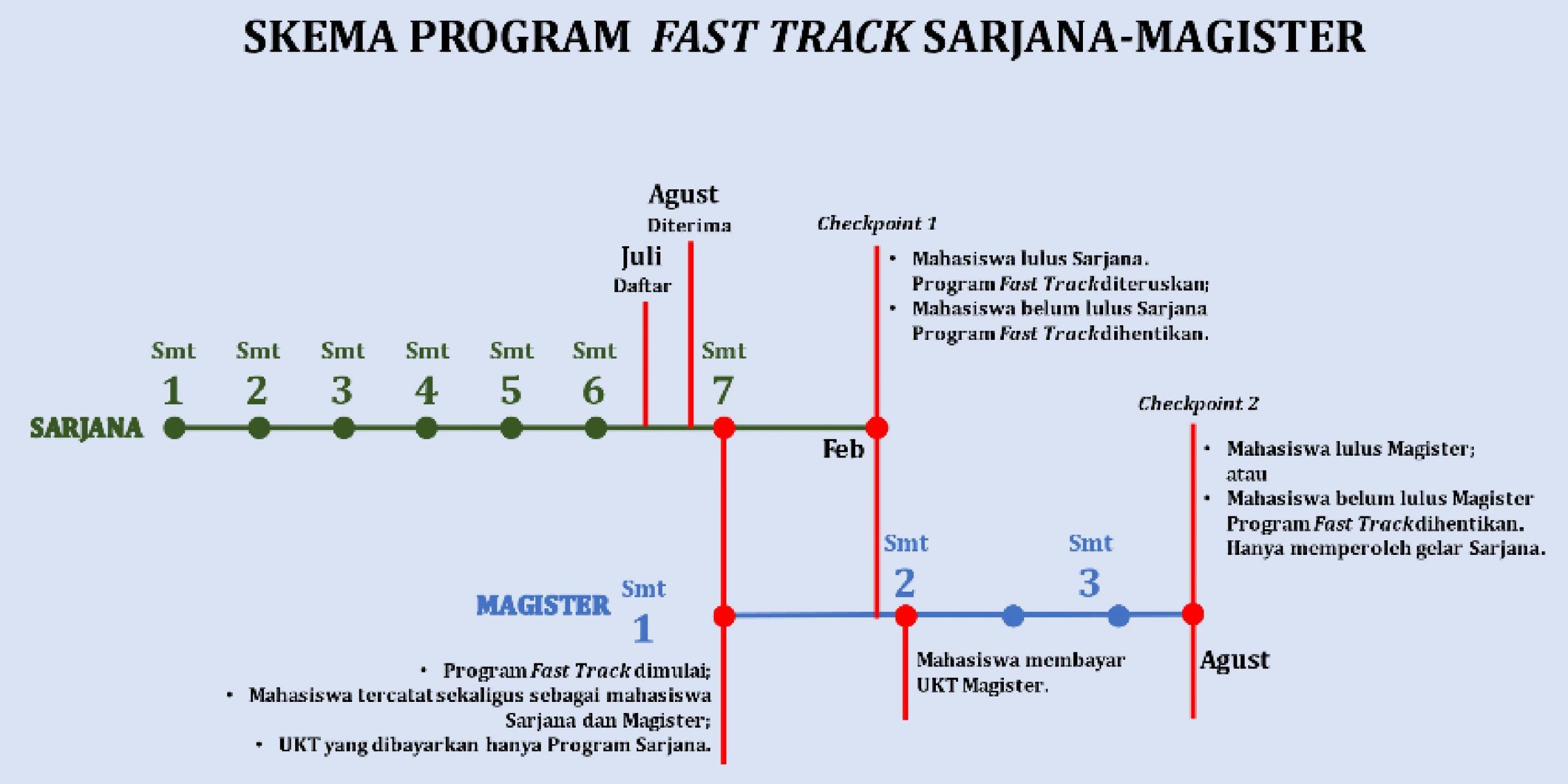
FAST TRACK
PROSES PENDIDIKAN S2
Alur proses pendidikan tiap semester dapat dilihat pada tabel berikut
[table id=82 /]
METODE PEMBELAJARAN
Metode pembelajaran yang diterapkan pada setiap Mata Kuliah, seperti berikut:
- Bimbingan/ Tutorial;
- Diskusi Kelompok;
- Pembelajaran Berbasis Pengalaman (Experiential Learning/ EXL);
- Pembelajaran penemuan (Discovery Learning);
- Pembelajaran Berbasis Masalah (Problem Based Learning/ PBL);
- Pembelajaran Berbasis Proyek (Project Based Learning);
- Pembelajaran Kolaboratif;
- Pembelajaran Kooperatif;
- Simulasi.
SKEMA PROSEDUR PENETAPAN PEMBIMBING
[table id=83 /]
SKEMA PROSEDUR PENGAJUAN SEMINAR USULAN RISET (SUR)
[table id=84 /]
SKEMA PENGAJUAN KOLOKIUM SIDANG TESIS (SEMINAR HASIL RISET)
[table id=87 /]
SKEMA PENGAJUAN SIDANG AKHIR MAGISTER (SAM)
[table id=88 /]
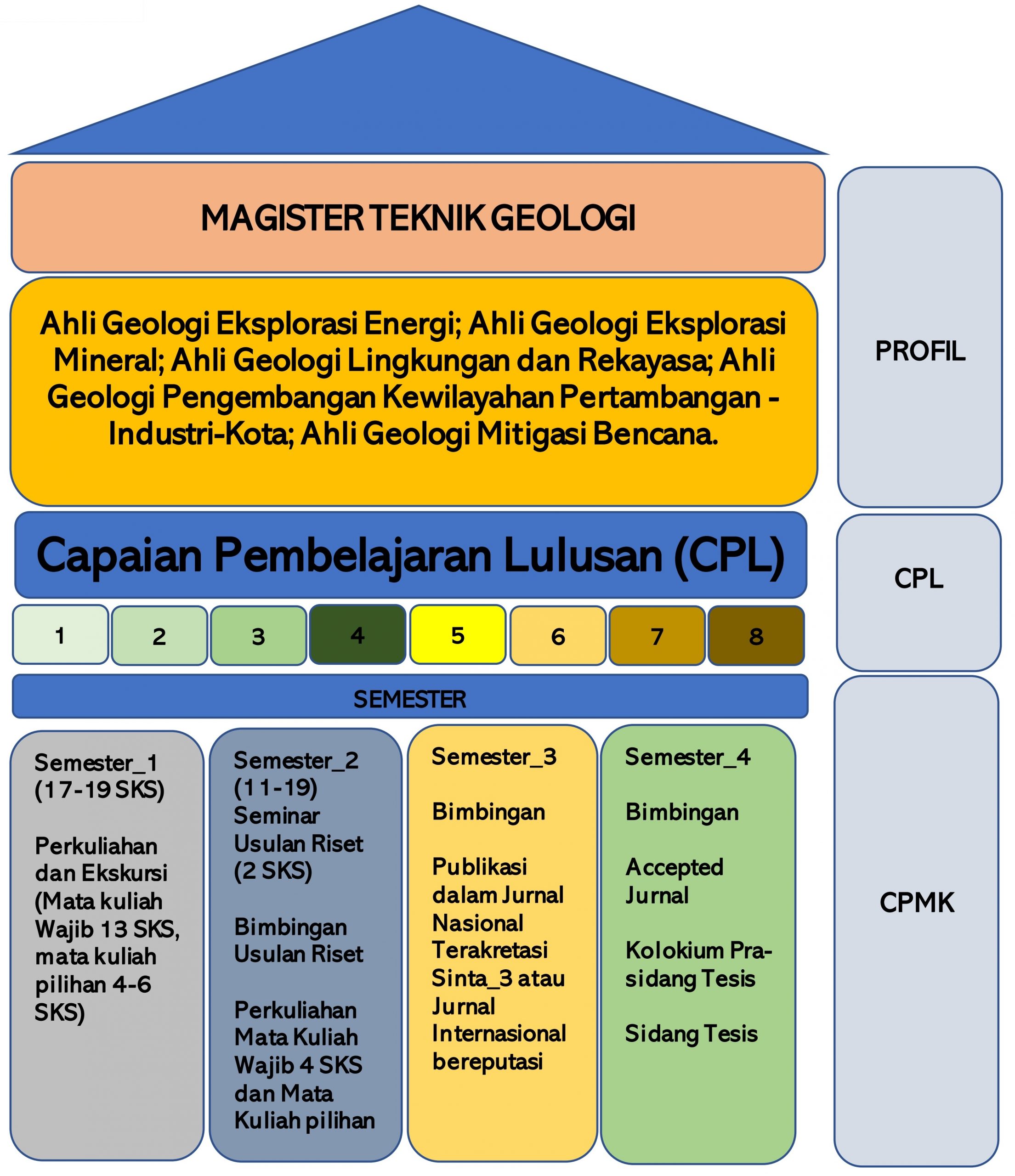
Kurikulum Program Studi Magister Teknik Geologi dirancang untuk selalu mengikuti perkembangan dan memberikan peluang minat mahasiswa untuk menentukan mata kuliah pilihan dalam lingkup yang lebih luas dengan kekhususan ilmu geologi. Komposisi mata kuliah disusun atas dasar kombinasi tuntutan kompetensi atau keahlian yang sesuai dengan kebutuhan dunia kerja dalam persaingan global, kompetensi dosen, sarana dan prasarana, serta perkembangan keilmuan. Dalam kurikulum terdapat beberapa mata kuliah yang harus diambil oleh mahasiswa serta mata kuliah pilihan yang dapat menambah nilai kredit mahasiswa.
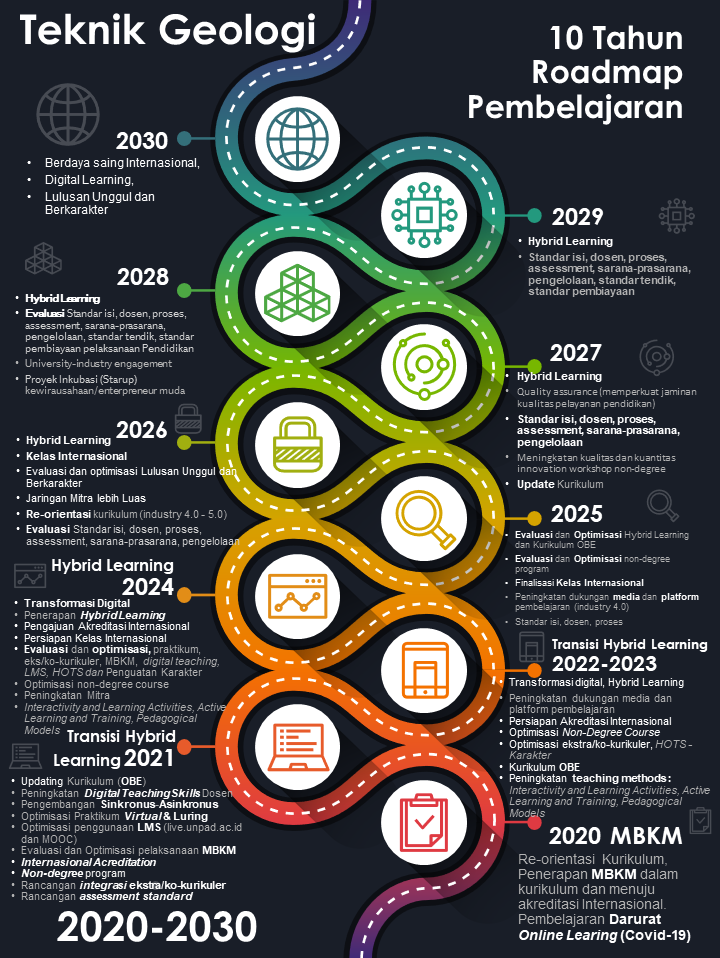
ROAD MAP KURIKULUM S2
CAPAIAN PEMBELAJARAN LULUSAN (CPL)
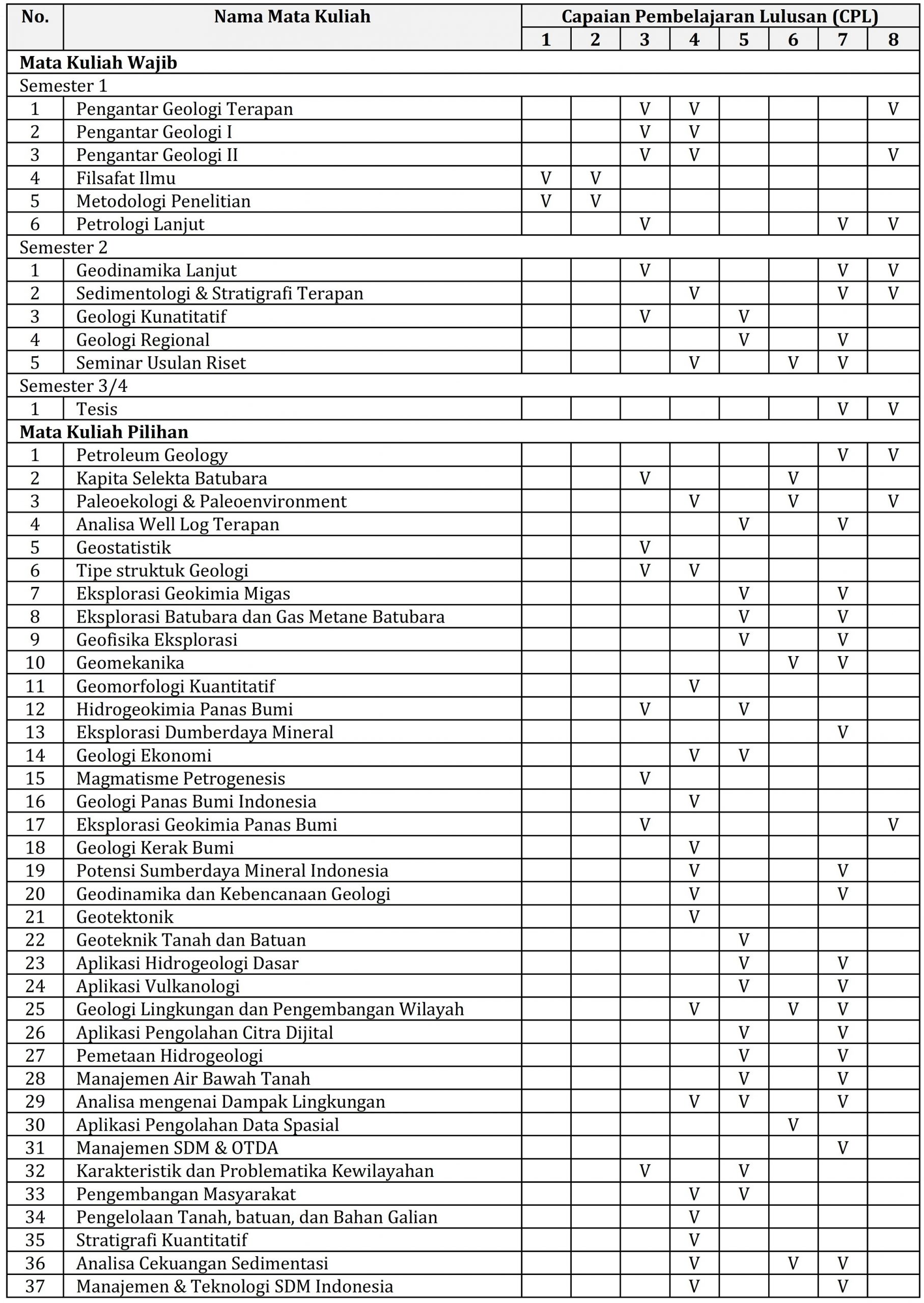
RENCANA PEMBELAJARAN SEMESTER (RPS)
Dokumen dapat dipelajari pada tautan berikut ini, klik disini.
MATA KULIAH WAJIB
[table id=89 /]
Total for all Credits: 146 SKS
MATA KULIAH PILIHAN
[table id=85 /]
SELEKSI DAN PENYELENGGARAAN PENDIDIKAN
Pada penyelenggaraannya, Program Magister Teknik Geologi dikelompokkan dalam 3 kelas, yaitu:
1. Kelas Reguler;
2. Kelas Kerjasama;
3. Kelas Internasional/Double Degree, Klik disini untuk lebih detil tentang Program Double Degree.
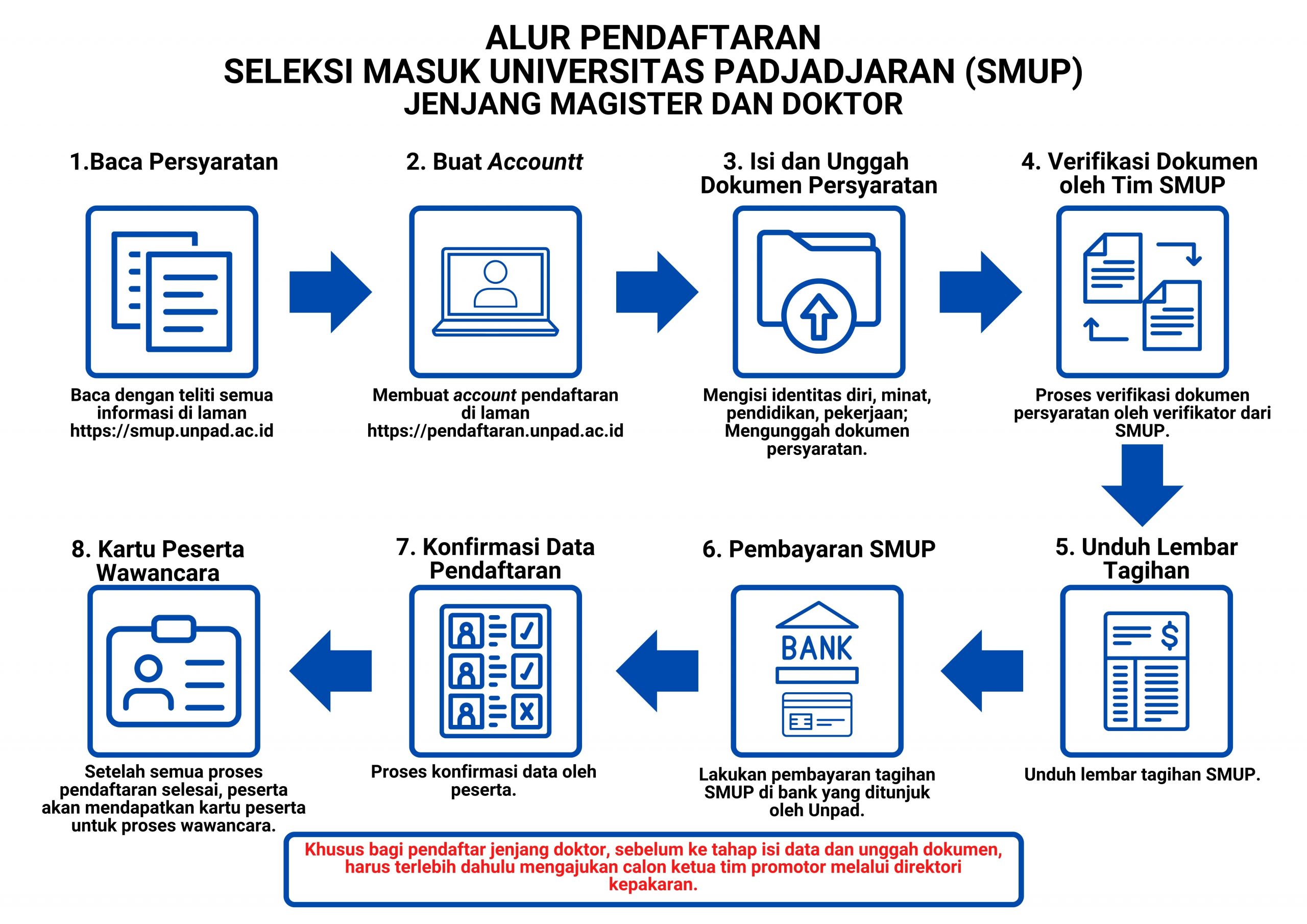
Seleksi calon mahasiswa Pendidikan Magister diselenggarakan secara online melalui mekanisme Seleksi Mahasiswa Universitas Padjadjaran (SMUP).
SMUP Unpad